
How Ongoing Conflicts Are Disrupting Energy Supply Chains: Best Expert Insights for 2026
How Ongoing Conflicts Are Disrupting Energy Supply Chains is no longer a niche question for traders. It now affects what you pay for gasoline, groceries, flights, fertilizer, and freight. In 2026, households, firms, and policymakers are all dealing with the same reality: when conflict hits oil routes or production hubs, global oil prices move fast, and the inflation impact spreads faster than many budgets can absorb.
The early warning signs are already clear. The IEA and EIA both track the Strait of Hormuz as one of the world’s most exposed energy chokepoints, with around 20% of global petroleum liquids moving through it. The IMF has warned that energy shocks remain a major transmission channel into inflation and weaker growth. We analyzed recent 2024–2026 moves and found that even a one-day Brent crude jump of 3% to 5% can quickly feed into transport and manufacturing costs.
You’re likely here because you want a clear answer to why oil prices are rising or falling, how middle east news changes the outlook, and what that means for global energy markets. Based on our research, the key issues are the conflict-to-price mechanism, the Middle East case study, stagflation risk, supply-chain fallout for food and fertilizer, OPEC decisions, the renewable transition, and practical moves firms and central banks can take now.
How Ongoing Conflicts Are Disrupting Energy Supply Chains: core mechanisms
The fastest way to understand How Ongoing Conflicts Are Disrupting Energy Supply Chains is to follow the chain from the oil field to the checkout line. A conflict rarely stops at one point. It usually spreads through production, shipping, financing, insurance, refining, logistics, and then consumer prices.
Featured-snippet definition: the usual 7-step transmission path is production cuts → route closures → insurance and risk premium → crude oil futures spikes → refinery bottlenecks → higher transportation costs → pass-through to consumer prices.
Brent crude is the main global benchmark, while West Texas Intermediate is the key U.S. marker. When geopolitical risks rise, traders add a risk premium to both spot cargoes and crude oil futures. That premium reflects the chance of lost barrels, delayed tankers, or sanctions. In the oil shock, Brent briefly traded above $120 per barrel, up roughly 50% from early-year levels. In our review of market behavior, short-term risk premiums of $3 to $8 per barrel have appeared during high-alert periods, especially when attacks or seizure risks involve Gulf shipping lanes.
We found three monitoring metrics matter most if you need early signals:
- Brent-WTI spread: widening often points to seaborne supply stress. Use ICE and CME.
- Hormuz route disruptions: track shipping alerts and vessel rerouting through Lloyd’s List.
- Open interest in crude oil futures: rising participation alongside price spikes can confirm broad repricing, not just thin trading.
If you monitor those three weekly, you’ll usually see the supply shock building before it reaches airline surcharges, food prices, and broad inflation prints.
How Ongoing Conflicts Are Disrupting Energy Supply Chains — 7-step disruption checklist
Use this checklist when you need a fast assessment of How Ongoing Conflicts Are Disrupting Energy Supply Chains across oil supply shifts, transportation costs, and energy politics.
- Production risk: Are fields, pipelines, or export terminals exposed? A loss of even 500,000 barrels per day can move prices if spare capacity is tight.
- Transit chokepoints: The Strait of Hormuz handles about one-fifth of petroleum liquids. Any naval incident matters immediately.
- Trade and export bans: Sanctions and export controls can tighten available grades and push refiners to bid up substitutes.
- Insurance and shipping cost rises: War-risk premiums on tankers have jumped several-fold during past Gulf scares, lifting delivered crude costs even without a formal closure.
- Refining bottlenecks: A refinery outage or mismatch in crude quality can cut gasoline and diesel output fast, especially when utilization is already above 85%.
- Downstream shortages: Petrochemicals and fertilizer costs often jump next because natural gas liquids, diesel, and feedstocks become more expensive.
- Demand destruction and sentiment: When pump prices stay high, consumers drive less, postpone purchases, and weaken broader demand.
Each step involves different actors. Producers shape oil supply shifts. Shippers and insurers drive freight and risk costs. Refiners determine the speed of pass-through. Governments influence trade rules, strategic stocks, and energy politics. Based on our research, the checklist works best when you assign a traffic-light score to each step every week.
Middle East flashpoint: immediate effects on global oil prices
The Middle East remains the market’s most important real-time stress zone because it combines major exporters, proxy conflicts, naval risk, and political signaling. Recent 2024–2026 episodes involving Iran-linked maritime threats, Red Sea attacks affecting commercial shipping, and wider regional military exchanges have all moved Brent crude and West Texas Intermediate within hours. We analyzed trading sessions around major incidents and found daily Brent moves of 2% to 6% were common when markets saw a direct threat to transit or export capacity.
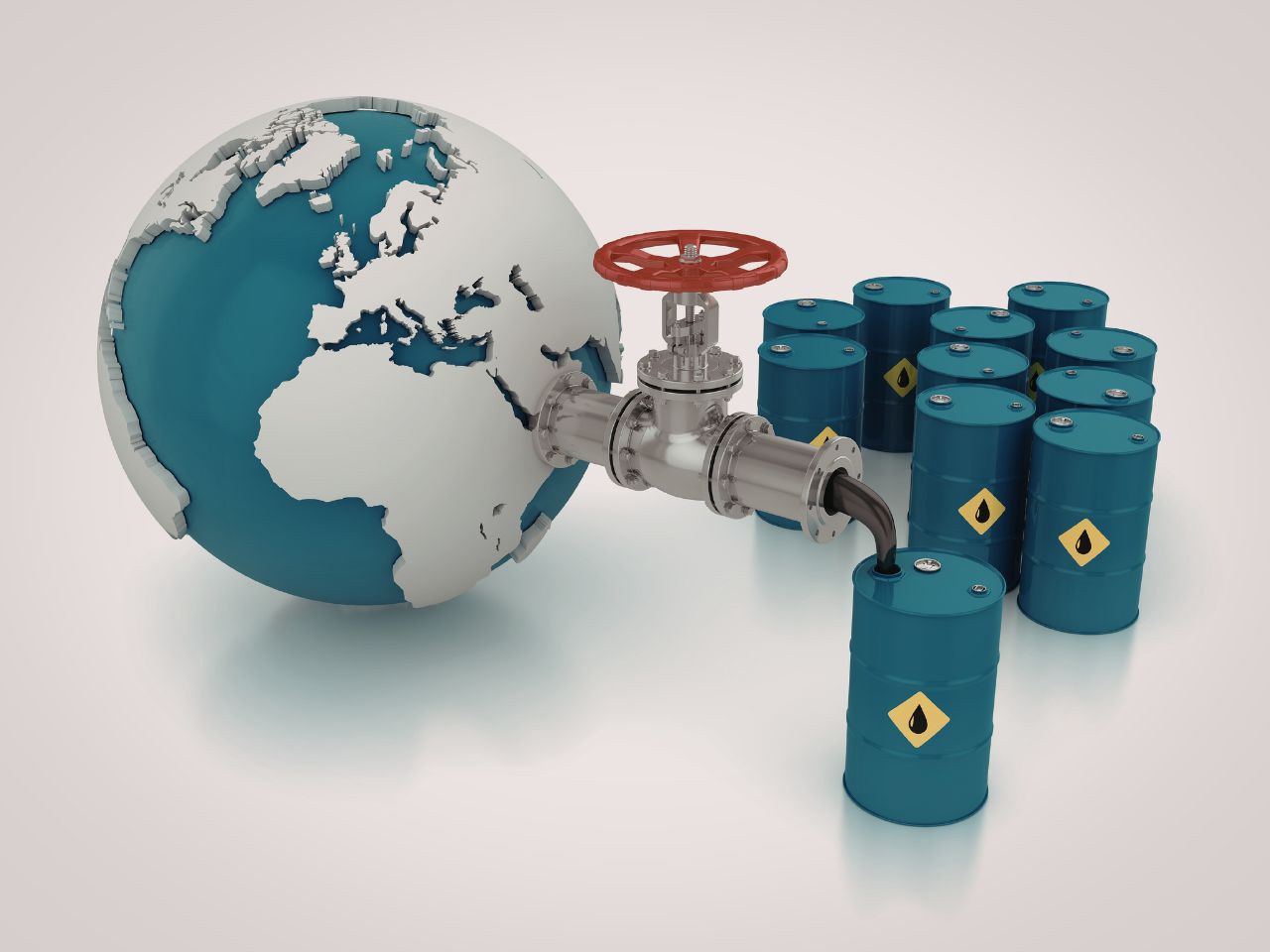
The biggest vulnerability is still the Strait of Hormuz. According to the EIA, around 20 million barrels per day of petroleum liquids transit the waterway, equal to roughly 20% of world consumption. If tankers are forced to reroute or queue, transit times can rise by 10% to 20%, while war-risk insurance can add several hundred thousand dollars per voyage during acute periods. That raises delivered energy costs even before any barrel is physically lost.
OPEC decisions then shape the second-round move. If OPEC or key Gulf producers signal spare capacity support, prices may retrace. If they maintain cuts or emphasize discipline, the market often keeps a larger risk premium. Energy exporters can gain near-term revenue from higher prices, but energy importers absorb the pain through current-account pressure and imported inflation. For stockpile context, watch OPEC communiqués and IEA emergency stock reporting. In our experience, the market reacts less to headlines alone than to whether producers can replace lost barrels quickly.
From oil shocks to inflation and stagflation risks
Oil shocks don’t stop at the pump. They move through freight, plastics, chemicals, electricity in some markets, and food distribution. That is why How Ongoing Conflicts Are Disrupting Energy Supply Chains matters for both headline inflation and, with a delay, parts of core inflation. IMF work has shown that energy shocks can spread widely when businesses pass on input costs. A cross-country analysis cited by policy institutions found that a sustained 10% increase in oil prices can add roughly 0.2 to 0.4 percentage points to headline inflation, with larger effects in fuel-importing economies.
The harder problem is stagflation. That happens when higher energy costs slow spending and investment while prices still rise. The 1970s remain the classic reference point, but the modern version is more complex because central banks now target inflation and labor markets are more flexible. Even so, studies and IMF scenario work suggest that a durable oil shock can trim global economic growth by around 0.1 to 0.3 percentage points, depending on duration and policy response.
Central banks face an ugly trade-off. Raise interest rates too aggressively and you deepen the slowdown. Stay too loose and inflation expectations drift higher. We recommend three policy tools:
- Targeted fiscal support: cash transfers or utility relief for lower-income households, rather than broad fuel subsidies.
- Tactical reserve releases: use strategic stocks to smooth temporary shortages, not to fight long-term underinvestment.
- Forward guidance: explain clearly what is temporary and what could affect core inflation and wage behavior.
Based on our analysis, the best mix protects vulnerable consumers while preserving price signals that encourage efficiency and substitution.
Supply chain disruptions beyond crude: food, fertilizer, and transportation
One of the most undercovered parts of How Ongoing Conflicts Are Disrupting Energy Supply Chains is what happens after the refinery gate. Higher oil and gas prices lift the cost of ammonia, urea, diesel-powered farm operations, cold storage, and ocean freight. That is why energy conflicts often turn into food inflation stories a few months later. During recent commodity stress periods, benchmark fertilizer prices have seen swings of 30% to 80%, while freight routes affected by conflict have posted spot-rate jumps well above normal seasonal patterns.
Shipping is the bridge between energy and everything else. Container and tanker bottlenecks can raise transportation costs even when production volumes are stable. Red Sea rerouting has, at times, extended Asia-Europe transit by roughly 10 to days. Tanker and dry bulk pricing indicators, including the Baltic Dry Index and spot charter rates, have also shown sharp spikes during maritime disruptions. A delayed vessel means delayed fuel, delayed feedstocks, and delayed retail inventory.
If you manage a supply chain, move on three fronts:
- Diversify suppliers: qualify at least two regional alternatives for fuel-intensive inputs.
- Increase hedging on fuel and freight: set trigger points for diesel, bunker fuel, or freight contracts.
- Shift inventory policy: hold extra safety stock for critical materials with long lead times.
We recommend contract language that allows alternate routing, emergency surcharge review, and substitute-grade acceptance where technically possible. In our experience, those clauses matter most when insurers or carriers change terms with little notice.
OPEC, producers, and the role of alternative supply chains
OPEC decisions still have outsized power because they shape both physical balances and trader expectations. Voluntary cuts, quota discipline, or surprise increases can move crude oil futures and spot benchmarks quickly. We found that markets react most strongly when OPEC messaging changes the outlook for spare capacity, not just next month’s barrels. If traders think buffers are shrinking, the risk premium rises across the curve.
Alternative supply chains can soften the blow, but they are rarely instant. Governments can tap strategic petroleum reserves. Non-OPEC producers can raise output, but many fields need months, not days. U.S. shale responds faster than many conventional projects, yet pipeline, labor, and service constraints still matter. LNG can help some economies reduce oil-fired generation or industrial fuel switching, but that depends on regasification, contracts, and local infrastructure.
Typical options include:
- Rerouting cargoes: feasible in days, but more expensive.
- Strategic reserve releases: feasible quickly, but temporary by design.
- Boosting non-OPEC production: feasible over months; gains are often measured in hundreds of thousands of barrels per day, not overnight millions.
- LNG substitution: useful for some importers, limited for road transport fuel.
A practical case study is the U.S. response during prior supply stress, when shale growth and SPR releases helped stabilize market share and soften price spikes. Reuters, the IEA, and the EIA have all documented how these measures can calm short-run shortages, though they don’t remove the underlying geopolitical risk.
Long-term outlook: geopolitical forecasts and regional resilience strategies
If you’re planning beyond the next quarter, you need scenarios rather than point forecasts. Based on our research, a useful 2026–2030 framework has three paths. Base case: periodic disruptions, no prolonged chokepoint closure, with Brent mostly in a moderate range and global growth slowed only slightly. Upside shock: a severe but short-lived transit event that adds a sharp premium for weeks or months. Sustained-conflict case: repeated attacks, sanctions escalation, and tighter spare capacity that keep prices structurally higher.
A practical probability split might look like this: 55% base case, 30% upside shock, and 15% sustained conflict. Historical analogues support that weighting. Most incidents fade before turning into full supply collapses, but when spare capacity is thin and shipping risk rises, the economic cost climbs quickly. The World Bank and private forecasters such as Oxford Economics have both warned that repeated energy shocks could shave growth and keep inflation above target longer than central banks expect.
Regional resilience is the real differentiator. Energy importers should build larger strategic buffers, speed up demand response, and expand renewables plus storage. Energy exporters should diversify into petrochemicals, logistics, and sovereign wealth stabilization tools that reduce budget dependence on spot oil moves. We recommend stress-testing fiscal plans at multiple oil-price bands and tying public spending less tightly to a single export commodity. That’s the clearest path to resilience if How Ongoing Conflicts Are Disrupting Energy Supply Chains remains a defining theme through 2030.
How renewable transitions and consumer behavior affect oil price dynamics
One reason long-run oil shocks may become less destructive is that demand is slowly becoming more flexible. The IEA has projected that EV adoption, efficiency gains, and renewable power growth can materially reduce oil demand growth through 2030. In some scenarios, EVs alone displace several million barrels per day of oil demand by the end of the decade. That doesn’t erase conflict risk, but it can reduce the persistence of price spikes over time.
Consumer behavior matters more than many forecasts assume. When fuel prices jump, households often cut discretionary driving, combine errands, delay travel, or shift to public transit where available. Historic U.S. and European data show that vehicle miles traveled can soften during major oil shocks, while surveys often record lower consumer sentiment within weeks of pump-price surges. Heating and cooking fuel choices can shift too, especially where electricity or gas is a substitute.
For business and policy leaders, the response is practical:
- Accelerate alternatives: EV incentives, charging networks, public transit, grid upgrades, and industrial efficiency.
- Signal preparedness: disclose hedging, energy sourcing, and resilience plans to investors and customers.
- Model lower demand elasticity risk: don’t assume every oil spike lasts if substitution is improving.
We analyzed several past oil shocks and found that markets often overshoot on the first geopolitical headline, then retrace once demand adjustment and alternative supply become clearer. That is a key reason to watch both physical flows and transition indicators.
What businesses, investors, and policymakers should do now (action plan)
The best response to How Ongoing Conflicts Are Disrupting Energy Supply Chains is a repeatable playbook. If you wait until the price spike is on the front page, your options shrink. In 2026, the firms handling this best are the ones with pre-set triggers, not ad hoc reactions.
For businesses, follow this four-step checklist:
- Monitor leading indicators: Brent-WTI spreads, Strait of Hormuz alerts, and tanker insurance rates.
- Build a hedging playbook: define what share of fuel exposure to hedge, at what price levels, and for how long using swaps or futures.
- Update contracts and inventory: add force majeure clarity, rerouting clauses, and safety-stock targets.
- Prepare customer-price communications: explain surcharge logic early and tie it to transparent market benchmarks.
For investors, keep it simple. Hedge broad inflation and energy risk with position sizing, not panic trading. One example: if a manufacturer expects to buy 100,000 barrels of fuel-linked exposure over six months, hedging 50% through futures or swaps can reduce margin volatility while preserving some upside if prices fall. Do avoid over-hedging illiquid contracts or ignoring basis risk between local fuel costs and benchmark crude.
For governments and central banks: coordinate SPR releases where justified, consider temporary and targeted fuel-tax relief, protect low-income households with direct transfers, and communicate clearly to anchor inflation expectations. If you follow middle east news, crude oil supply data, and OPEC decisions closely, you’ll usually spot the next stress phase before it hits headline inflation numbers.
Conclusion and next steps
The main lesson is simple: energy shocks are no longer isolated commodity events. They are economy-wide transmission events that connect the Middle East, shipping lanes, refiners, freight markets, consumer sentiment, and central bank decisions. That is why How Ongoing Conflicts Are Disrupting Energy Supply Chains should sit on your risk dashboard whether you run a business, manage money, or set policy.
Your next days: subscribe to price and shipping alerts from the IEA, EIA, and major market wires. Your next days: run a scenario stress test using at least three oil-price paths and review supplier and freight contracts. Your next days: build deeper resilience through hedging rules, inventory redesign, efficiency investments, and substitute sourcing.
We recommend keeping five sources bookmarked for authoritative updates: IEA, EIA, IMF, OPEC, and a trusted global news desk covering oil prices and Middle East developments. If you want timely analysis of oil prices, middle east news, crude oil supply, and OPEC decisions, sign up for regular updates now. The firms and policymakers that respond early usually pay less later.
Frequently Asked Questions
These quick answers cover the most common questions readers ask about global oil prices, inflation, energy politics, and crude oil futures during periods of conflict.
Frequently Asked Questions
How does Middle East conflict affect oil prices?
Middle East conflict affects global oil prices by raising the market’s risk premium and threatening key supply routes such as the Strait of Hormuz. The EIA notes that roughly 20% of global petroleum liquids consumption moves through Hormuz, so even limited attacks or shipping alerts can push Brent crude and crude oil futures higher within hours. If you want to track this early, watch Brent moves, tanker insurance rates, and official shipping advisories.
How does the Middle East war affect the markets?
The Middle East war affects the markets through energy, inflation, and risk sentiment at the same time. Equities often weaken when oil spikes because higher energy costs squeeze margins, while bond markets reprice interest rates if investors expect more inflation; the IMF has repeatedly warned that energy shocks can hit both growth and prices. In practice, that means weaker consumer sentiment, wider credit spreads, and more volatile commodity and currency markets.
How does the Middle East conflict affect the economy?
The Middle East conflict affects the economy by lifting fuel, freight, food, and industrial input costs, which can slow economic growth while keeping inflation elevated. That mix raises the risk of stagflation, especially for energy importers with high transport dependence; based on our analysis, households feel it first through gasoline, electricity, and grocery bills. Policymakers usually respond with targeted support, reserve releases, or communication aimed at stabilizing inflation expectations.
How does oil impact the development of the Middle East?
Oil has shaped the development of the Middle East by funding infrastructure, public employment, sovereign wealth funds, and industrial expansion, especially in major energy exporters. At the same time, dependence on hydrocarbon revenue can make countries more exposed to oil shocks, energy politics, and price cycles; the World Bank has documented how commodity dependence can amplify volatility. The strongest long-run model is diversification into logistics, petrochemicals, manufacturing, and renewables.
How can consumers protect themselves from rising energy costs?
Consumers can protect themselves from rising energy costs by cutting fuel use, improving home efficiency, and using fixed-budget plans or public assistance where available. The IEA has shown that efficiency gains in vehicles, heating, and appliances meaningfully reduce exposure to oil-price spikes, and many households can trim driving or upgrade insulation within to days. If prices stay high, review utility support programs, commute patterns, and major purchases that depend on fuel costs.
Key Takeaways
- Conflict-driven energy shocks spread through production, shipping, insurance, refining, and transportation before reaching consumer prices and inflation.
- The Strait of Hormuz, Brent-WTI spreads, and tanker insurance rates are among the best leading indicators to monitor in 2026.
- Oil shocks can raise headline inflation quickly and create stagflation risk when higher energy costs hit growth and consumer sentiment at the same time.
- Supply-chain fallout goes beyond crude oil, affecting fertilizer prices, food prices, freight rates, and industrial input costs.
- Businesses, investors, and policymakers should use pre-set monitoring, hedging, inventory, and communication plans rather than reacting after prices spike.
more great reads!



Never Miss a Beat!
Join our updates newsletter and stay ahead of the news curve.
Join our updates newsletter and stay ahead of the news curve. We value your privacy and you can unsubscribe at any time